RO Plant Maintenance Guide
A reverse osmosis (RO) desalination system requires regular inspection and maintenance to maintain stable water production and protect critical equipment. From pretreatment filters and high-pressure pumps to RO membranes and control systems, every component plays an important role in plant performance.
| For industrial facilities, coastal communities and remote water supply projects, effective RO plant maintenance helps reduce unexpected downtime, maintain water quality and extend equipment service life. |
This guide explains the key maintenance practices for seawater and brackish water RO systems.
SECTION 1
1. Why Is RO Desalination System Maintenance Important?
RO membranes operate under specific pressure, flow and water quality conditions. Without proper maintenance, suspended solids, scaling, organic matter and biological growth can affect membrane performance.
Common consequences include: !Reduced freshwater production!Increased operating pressure!Higher energy consumption!Declining permeate water quality!More frequent equipment shutdowns |
A structured maintenance plan helps operators identify potential problems before they affect the entire water treatment process.
SECTION 2
2. Key Components That Require Regular Maintenance
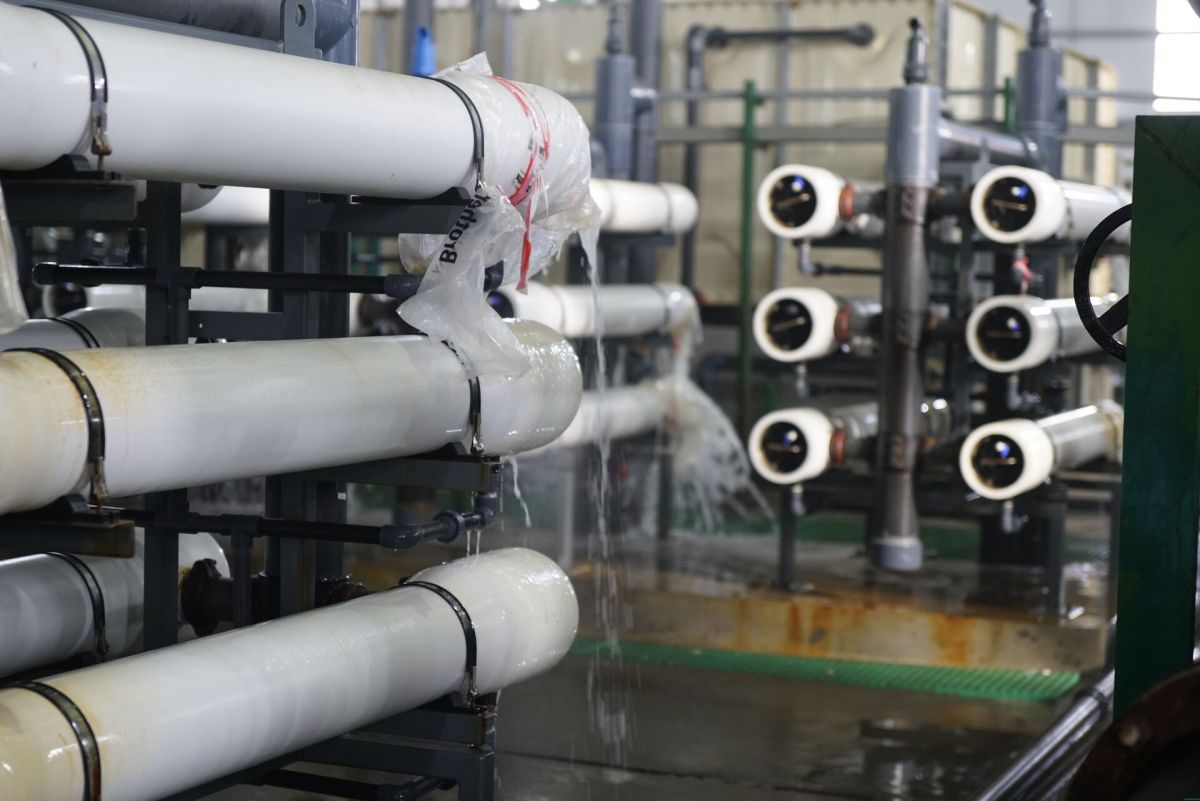
An RO desalination plant consists of several interconnected treatment stages. Each requires appropriate inspection and maintenance.
| 01 | Pretreatment SystemPretreatment protects RO membranes from suspended solids, particles and other contaminants.
Operators should regularly inspect multimedia filters, cartridge filters, ultrafiltration units and chemical dosing equipment, where installed.
Filter backwashing, cartridge replacement and pretreatment performance checks should follow actual operating conditions and equipment specifications. |
| 02 | High-Pressure PumpsHigh-pressure pumps provide the pressure required for reverse osmosis separation, particularly in seawater desalination.
Routine inspections should cover operating pressure, vibration, temperature, leakage and abnormal noise. |
| 03 | RO MembranesRO membranes are among the most important components of the system.
Operators should monitor permeate flow, salt rejection, feed pressure and differential pressure to identify changes in membrane performance.
Chemical cleaning should only be performed when operating data indicates fouling or scaling and the cleaning procedure is compatible with the membrane manufacturer's recommendations. |
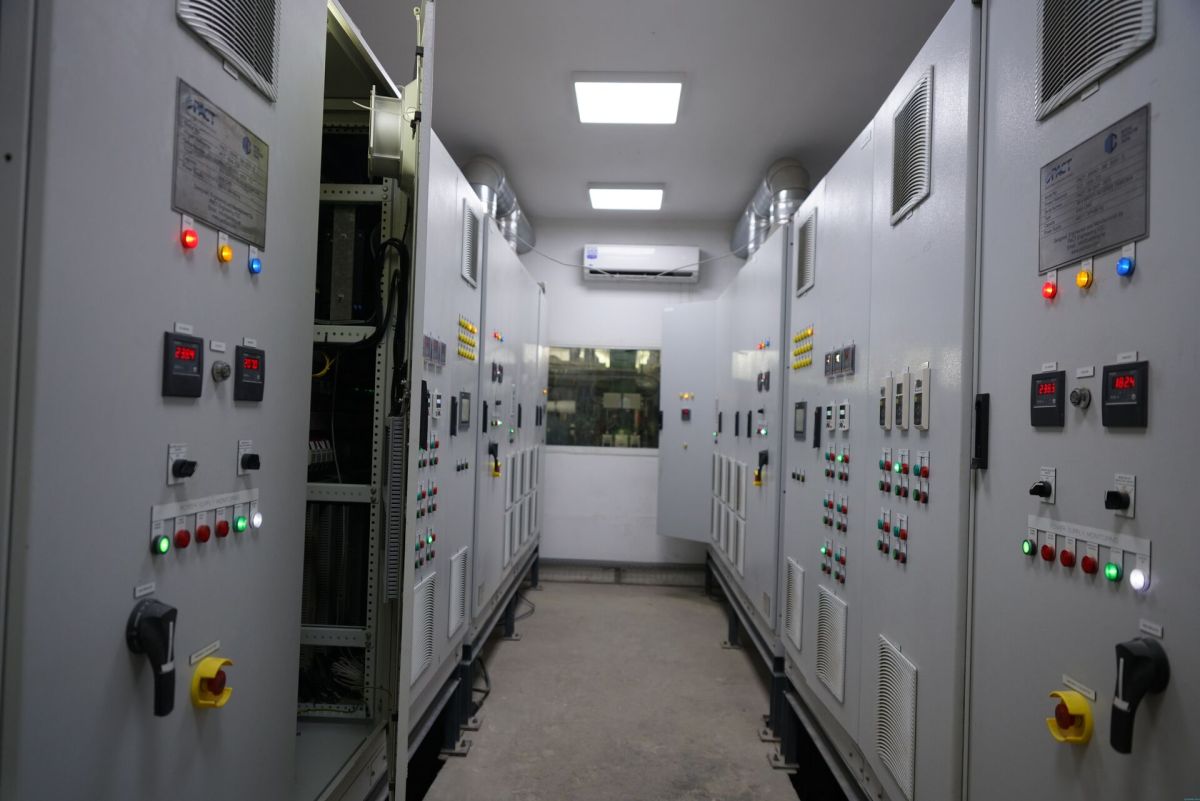
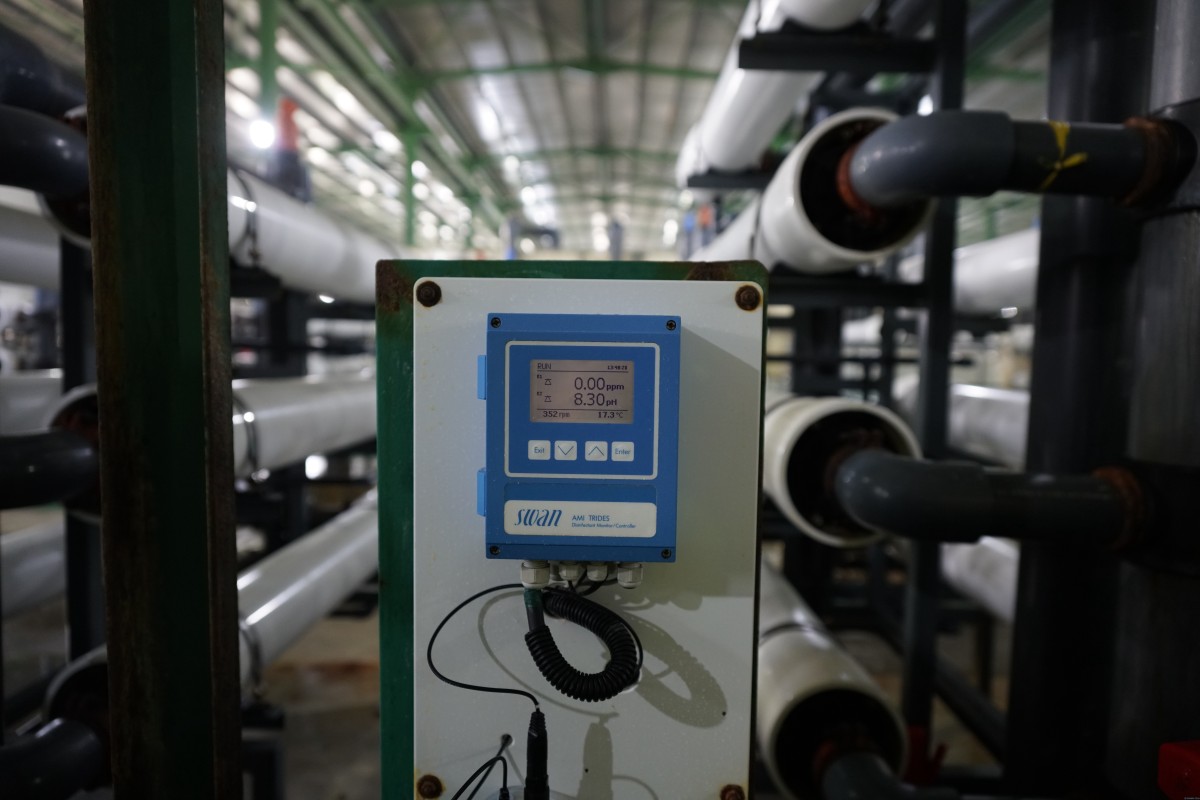
| 04 | Control and InstrumentationPressure gauges, flow meters, conductivity sensors and control panels should be inspected and calibrated according to the maintenance schedule.
Reliable monitoring helps operators identify abnormal operating conditions and maintain consistent water quality. |
SECTION 3
3. Daily and Periodic Maintenance Checklist
A practical maintenance schedule can help improve operational consistency.
| Frequency | Recommended Checks |
| Daily | Feed pressure, permeate flow, conductivity and leakage |
| Weekly | Filter condition, chemical dosing and pump operation |
| Monthly | Instrument calibration checks, electrical connections and equipment inspection |
| Periodically | Membrane performance evaluation, detailed equipment inspection and preventive maintenance |
The actual inspection frequency should be adjusted according to plant design, operating conditions and manufacturer recommendations.
SECTION 4
4. Common RO System Problems and Solutions
Understanding common operating problems helps maintenance teams respond more effectively.
| 01 | Low permeate productionPossible causes include membrane fouling, scaling, insufficient feed pressure or changes in feedwater temperature.
Operators should review operating data and inspect pretreatment performance before deciding on corrective actions. |
| 02 | High operating pressureIncreased pressure requirements may indicate membrane fouling, scaling or restrictions in the pretreatment system.
Inspect pressure differences across individual treatment stages and compare the results with the original operating baseline. |
| 03 | Poor permeate water qualityAn increase in permeate conductivity may indicate membrane deterioration, damaged seals or changes in operating conditions.
The affected membrane vessels and associated connections should be inspected. |
| 04 | Frequent system shutdownsUnstable power supply, pump protection alarms, instrumentation problems or pretreatment issues may cause unexpected shutdowns.
A systematic review of alarm records and operating data can help identify the underlying cause. |
SECTION 5
5. How to Extend RO Membrane Service Life
Membrane performance depends on feedwater quality, operating conditions and maintenance practices.
Several measures can help protect membrane systems: ✓Maintain effective pretreatment.✓Monitor feedwater quality regularly.✓Avoid operation outside the membrane manufacturer's recommended limits.✓Prevent excessive scaling and fouling.✓Perform chemical cleaning when supported by operating data.✓Follow proper preservation procedures during extended shutdowns. |
For SWRO systems, seawater characteristics and marine operating conditions must also be considered. BWRO systems require a different design approach based on the specific brackish water composition.
SECTION 6
6. Professional RO Plant Maintenance and Technical Support
For large industrial and municipal desalination projects, maintenance is not limited to individual equipment inspections. It also involves system performance evaluation, process optimisation, spare parts management and long-term operational support.
QT ENVIRO-TECH (SUZHOU) LTD. specialises in seawater desalination, brackish water treatment and industrial wastewater recovery.
2011 Established | 200+ Projects delivered | 30+ Countries |
Established in 2011, the company provides engineering design, equipment manufacturing, installation, commissioning, rental and operation and maintenance services.
| Engineering design | Equipment manufacturing | Installation |
| Commissioning | Rental | Operation and maintenance |
With more than 200 projects across over 20 countries, QT ENVIRO-TECH supports customers with water treatment solutions designed around their feedwater quality, production capacity and operating requirements.
Whether operating a containerised SWRO plant, a BWRO system or a customised industrial water treatment facility, proper maintenance planning is essential for reliable long-term performance.
FAQ
Frequently Asked Questions
| Q1 | How often should RO membranes be cleaned?There is no universal cleaning interval. Cleaning frequency depends on feedwater quality, membrane performance and operating conditions. Cleaning should follow performance indicators and membrane manufacturer recommendations. |
| Q2 | What causes low water production in an RO system?Common causes include membrane fouling, scaling, insufficient feed pressure, pretreatment problems and changes in feedwater temperature. |
| Q3 | Is maintenance different for SWRO and BWRO systems?Yes. Both use reverse osmosis membranes, but seawater and brackish water have different feedwater characteristics and operating requirements. Maintenance procedures must reflect the specific system design. |
| Q4 | Can regular maintenance reduce RO plant operating costs?Yes. Effective preventive maintenance can help reduce unexpected downtime, protect membranes and equipment, and maintain stable operating performance. |
CONTACT
Contact QT ENVIRO-TECH
Looking for a reliable RO desalination system or professional water treatment engineering support?
Contact QT ENVIRO-TECH to discuss your project requirements and explore suitable SWRO, BWRO and industrial water treatment solutions.
| |
Need maintenance support or a technical proposal? Contact Our Engineers Sourcing freshwater from the sea, reclaiming value from wastewater. |
| |