RO Plant Buyer's Guide
Reverse osmosis (RO) technology is widely used in seawater desalination, industrial water treatment and water reuse. When planning an RO project, one important decision is whether to choose a containerised RO plant or a conventional RO plant.
SECTION 1
1. What Is a Containerised RO Plant?
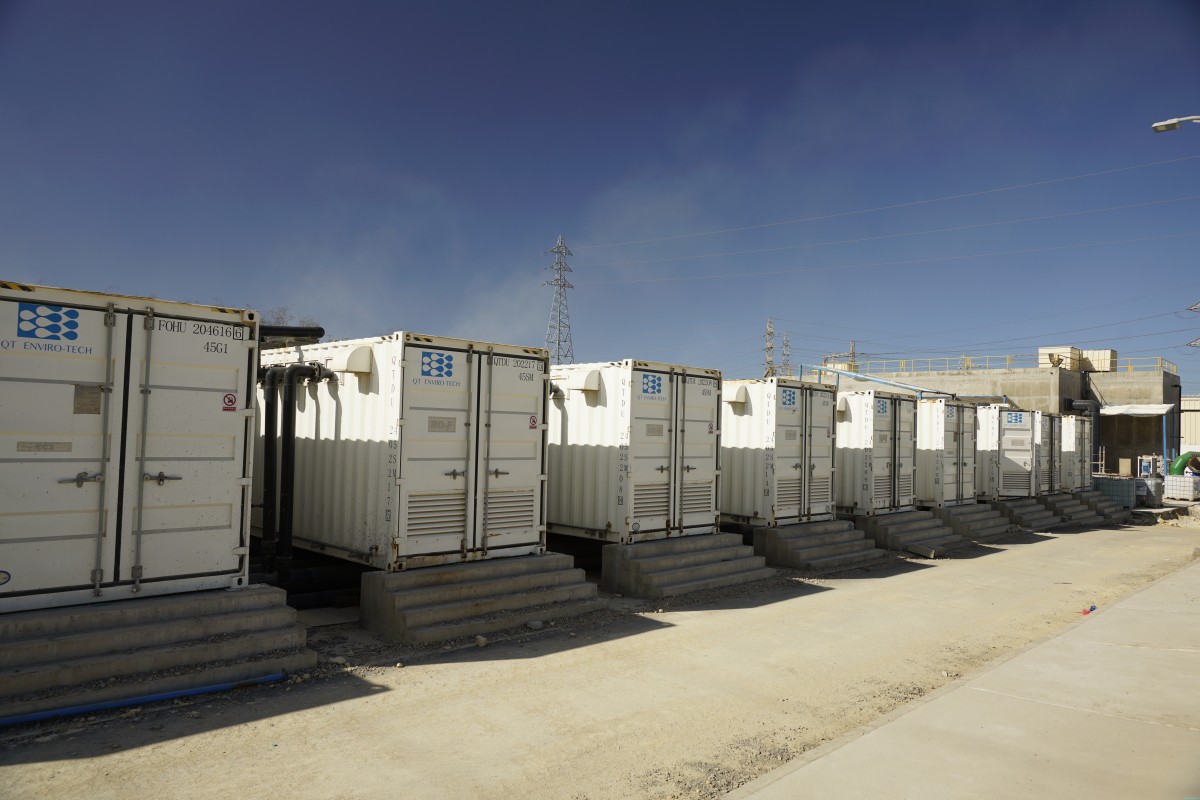
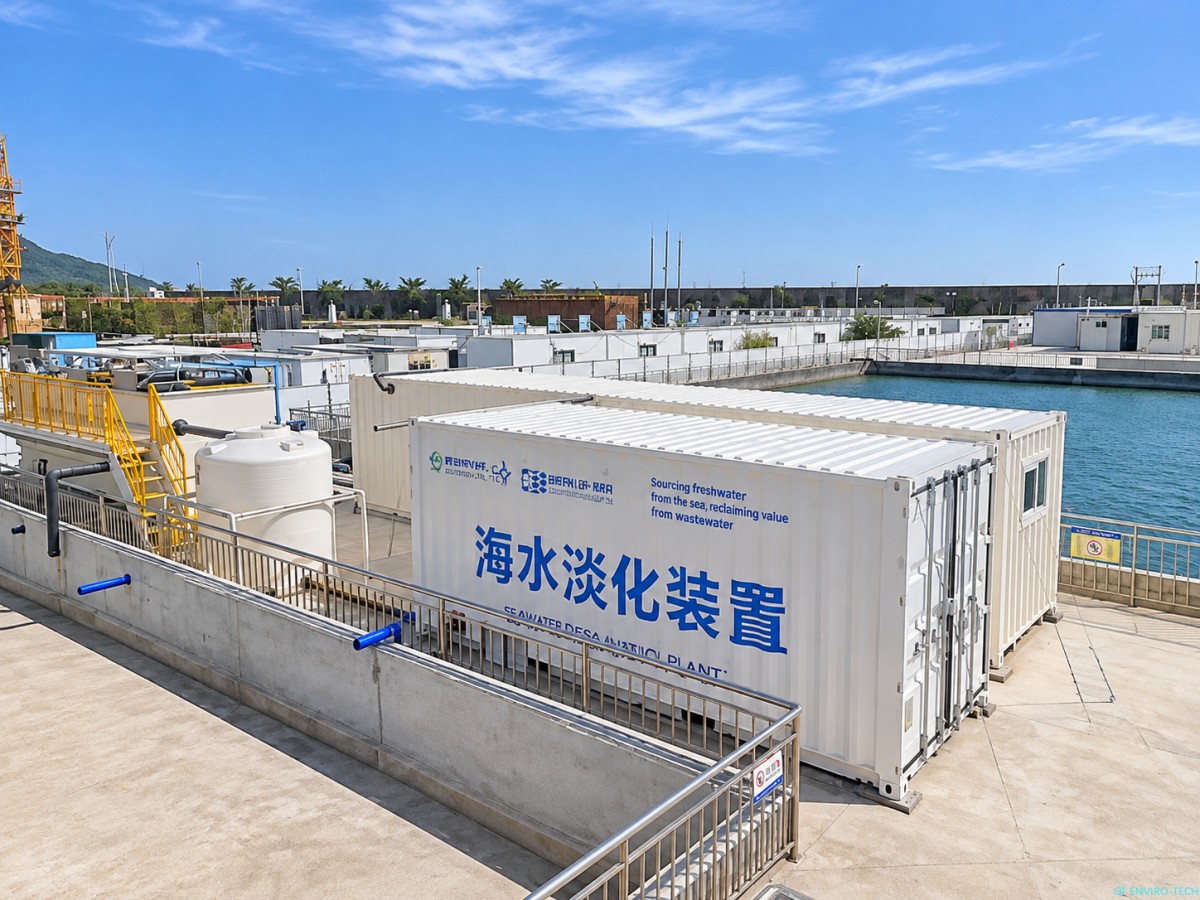
A containerised RO plant is an integrated water treatment system installed inside one or more shipping containers.
Major equipment, including pumps, membrane pressure vessels, filtration units, piping and control panels, is assembled into a compact modular system.
Key advantages include:
Containerised RO plants are particularly suitable for islands, remote locations, construction sites and industrial facilities.
SECTION 2
2. What Is a Conventional RO Plant?
A conventional RO plant is generally a fixed water treatment facility installed in a dedicated building or plant area.
Equipment is arranged according to project requirements, allowing greater flexibility in plant layout, process integration and infrastructure design.
Typical applications include municipal water supply, large industrial facilities and permanent desalination plants.
SECTION 3
3. Containerised vs. Conventional RO Plants: Key Differences
Both configurations can deliver reliable water treatment performance when properly engineered. The right choice depends on project capacity, site conditions and operational requirements.
SECTION 4
4. Cost and Installation Considerations
SECTION 5
5. Which RO Plant Should You Choose?
SECTION 6
6. QT ENVIRO-TECH RO Plant Solutions
QT ENVIRO-TECH (SUZHOU) LTD. specialises in membrane separation technology, seawater desalination and industrial wastewater recovery.
With more than 200 projects across over 20 countries, we provide engineering design, equipment manufacturing, installation, commissioning, rental and operation and maintenance services.
Our fastRO® containerised seawater desalination solutions can be configured for plant capacities ranging from 5,000 to 20,000 m³/day, depending on project requirements and system configuration. These capacities refer to complete configured plant solutions, not a single standard container.
Whether you need a containerised RO plant or a conventional RO system, our engineering team can help develop a solution based on your water source, required capacity and site conditions.
FAQ
Frequently Asked Questions
CONTACT
Contact QT ENVIRO-TECH
Looking for a reliable RO plant manufacturer?
Contact QT ENVIRO-TECH to discuss your project requirements and explore a suitable reverse osmosis solution.
Recommendation
- Containerised vs. Conventional RO Plants: Which Is Better for Your Project?
- Containerised Seawater RO Plant: Design and Applications
- What Is a Containerised RO Plant? A Complete Guide to Design, Applications and Benefits
- How do wastewater treatment systems work in battery plants?
- Inside QT ENVIRO-TECH: Building a Global Presence in Water Treatment
- Brackish Water RO for Drinking Water: Key Standards and Testing
- Morocco Nador Seawater Desalination Project: Expanding Freshwater Resources Through RO Technology
- Can a skid-mounted RO system supply water at a remote solar farm?
- Mobile Sea Water Reverse Osmosis (SWRO) Treatment Plant: Flexible Desalination Solutions for Reliable Freshwater Supply
- How do seawater reverse osmosis systems produce fresh water?