Containerised SWRO Plant Guide
Freshwater shortages are a growing challenge for coastal regions, islands, resorts, and industrial facilities. Seawater reverse osmosis (SWRO) technology provides an effective way to convert seawater into freshwater for domestic and industrial use.
| A Containerised SWRO Plant integrates key seawater desalination equipment into shipping containers or modular units. With a compact layout and flexible configuration, it offers a practical solution for projects requiring efficient transportation, simplified installation, and reliable freshwater production. |

QT ENVIRO-TECH specialises in customised containerised seawater desalination solutions, providing engineering design, equipment manufacturing, installation, commissioning, and technical support.
SECTION 1
1. What Is a Containerised SWRO Plant?
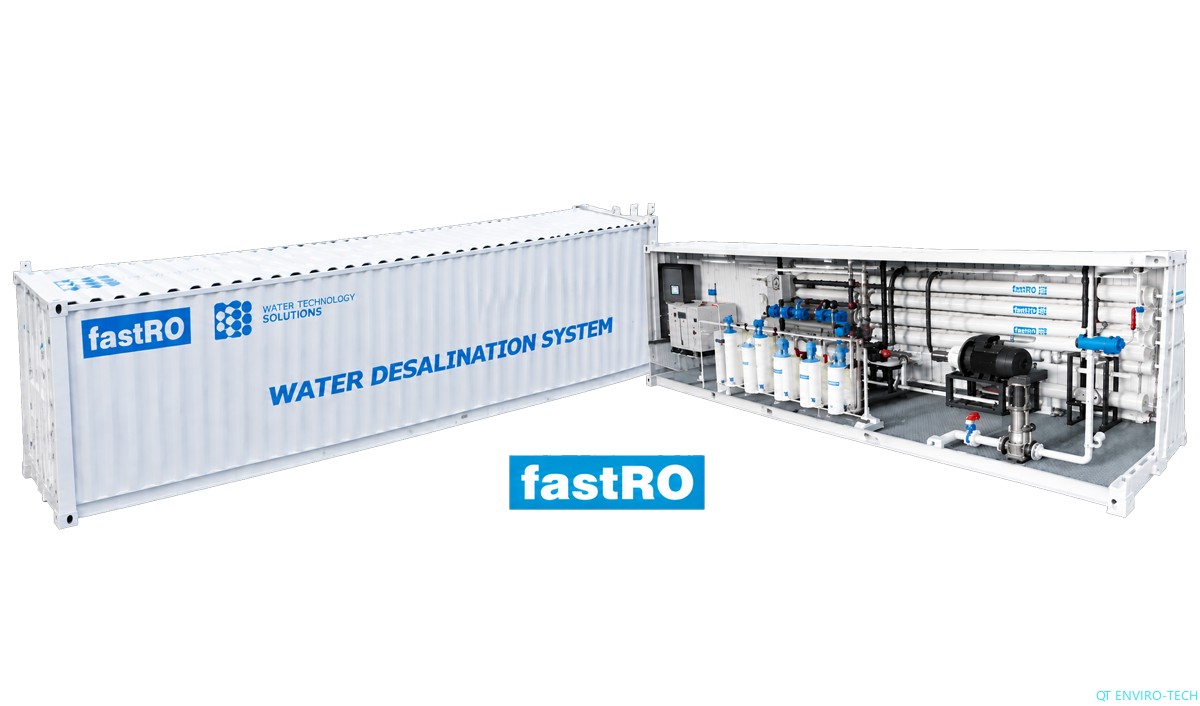
A Containerised SWRO Plant is a seawater desalination system that uses reverse osmosis membrane technology to remove dissolved salts from seawater. Its main treatment equipment is integrated into shipping containers, allowing the system to be manufactured, assembled, and tested before delivery.

During operation, pretreated seawater is pressurised and passed through semi-permeable RO membranes. Water molecules pass through the membranes, while most dissolved salts and impurities are rejected, producing freshwater.
Depending on project requirements, the plant can be configured as a single unit or multiple integrated containers to achieve the required production capacity.
SECTION 2
2. How Does a Containerised SWRO Plant Work?
A typical containerised seawater reverse osmosis system consists of five main treatment stages.
01 Seawater Intake | → | 02 Pretreatment | → | 03 High-Pressure Pumping | → | 04 Reverse Osmosis | → | 05 Post-Treatment |
| 01 | Seawater IntakeSeawater is collected from the ocean through an intake system designed according to local marine conditions, water depth, and raw water quality. |
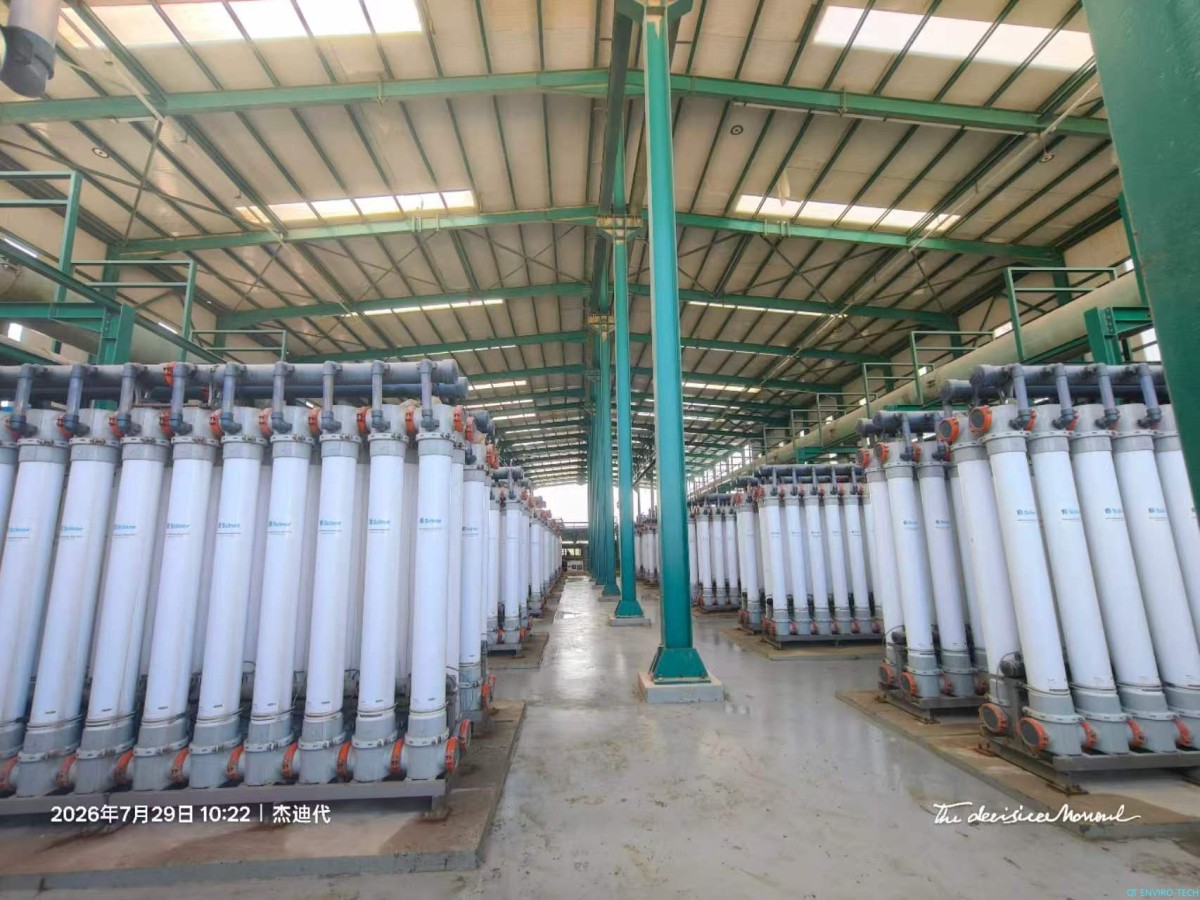
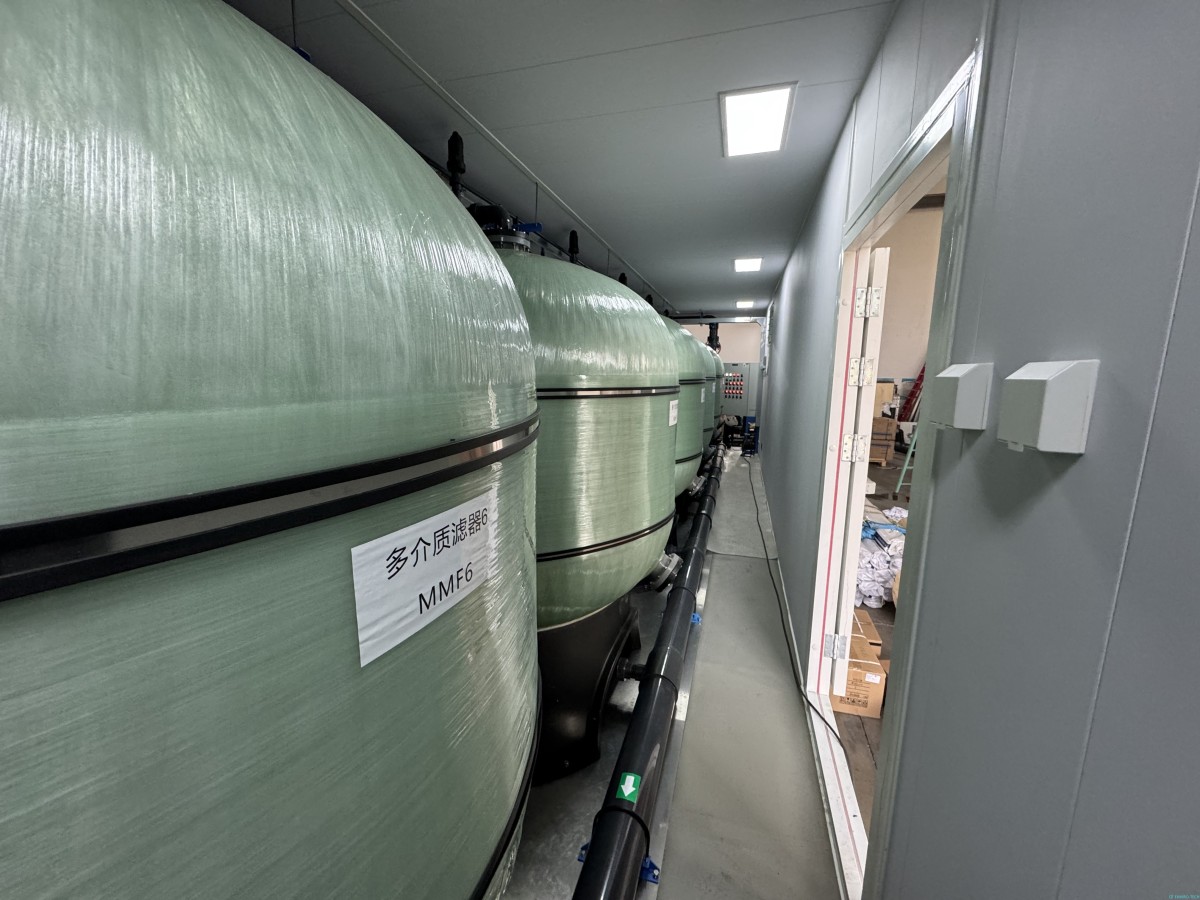
| 02 | PretreatmentPretreatment removes suspended solids and other contaminants to protect the RO membranes. Common processes include multi-media filtration (MMF), ultrafiltration (UF), and cartridge filtration. The actual configuration depends on the seawater analysis. |
| 03 | High-Pressure PumpingHigh-pressure pumps deliver pretreated seawater to the RO membrane system at the pressure required for desalination. |
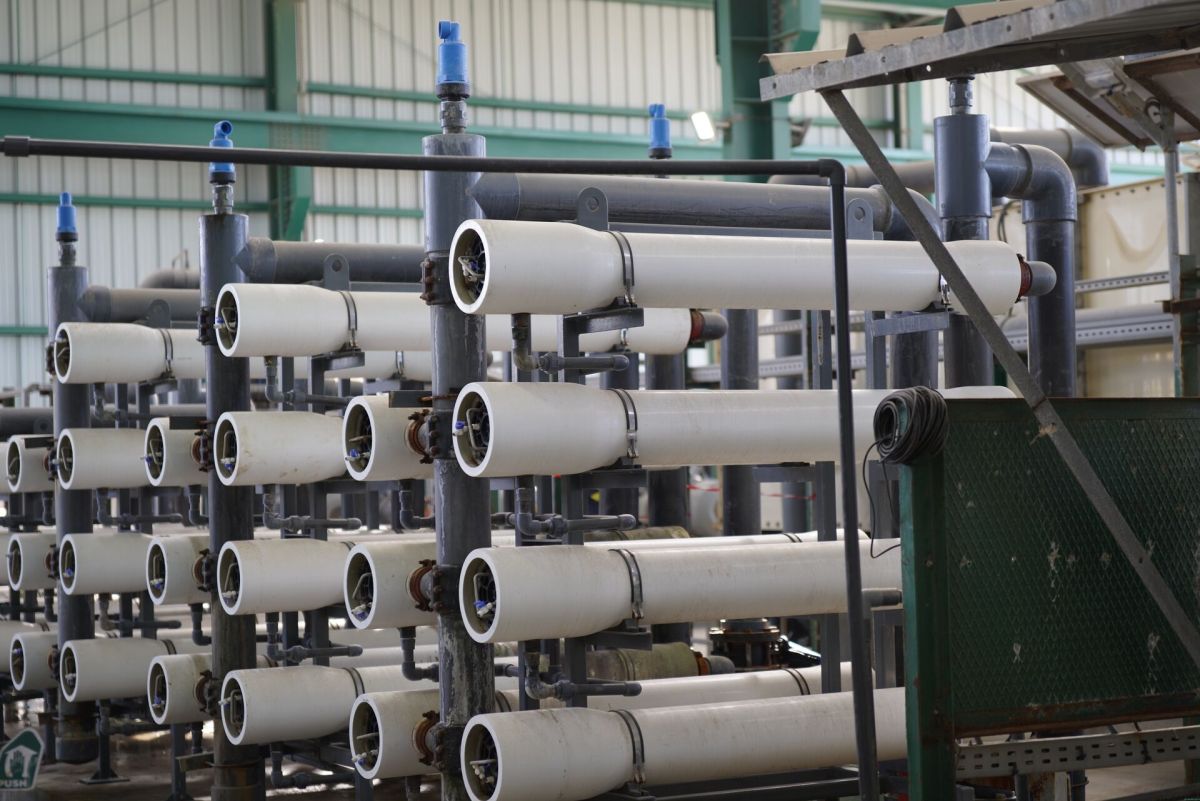
| 04 | Reverse OsmosisThe RO membranes separate seawater into two streams: freshwater permeate and concentrated brine. Most dissolved salts are rejected by the membranes, producing desalinated water. |
| 05 | Post-TreatmentDepending on the intended application, the permeate may undergo remineralisation, pH adjustment, and disinfection to meet the required water quality standards. |
Energy recovery devices can also be integrated into suitable systems to reduce energy consumption and improve operating efficiency.
SECTION 3
3. Main Components of a Containerised SWRO Plant
A containerised SWRO plant typically integrates the following equipment:
| Seawater intake system | Collects raw seawater |
| Pretreatment system | Removes suspended solids and protects membranes |
| High-pressure pump | Provides the pressure required for RO |
| RO membrane system | Removes dissolved salts |
| Energy recovery device | Recovers energy from the concentrate stream |
| Chemical dosing system | Supports treatment and stable operation |
| Post-treatment system | Adjusts final water quality |
| PLC control system | Controls and monitors plant operation |
The equipment arrangement is customised according to seawater quality, production capacity, installation conditions, and project specifications.
SECTION 4
4. Key Design Considerations
Designing a reliable containerised SWRO plant requires careful consideration of several engineering factors.
| 01 | Seawater QualitySalinity, temperature, turbidity, suspended solids, and other water parameters influence pretreatment selection, membrane configuration, and operating conditions. A raw water analysis is recommended before finalising the system design. |
| 02 | Water Production CapacityThe required daily freshwater output determines the number of RO trains, membrane arrangement, and overall plant configuration.
QT ENVIRO-TECH's fastRO® large-scale containerised seawater desalination solutions can be configured for project capacities ranging from 5,000 to 20,000 m³/day, depending on the selected system arrangement and project requirements. This refers to configured plant solutions rather than the output of a single standard container. |
| 03 | Energy EfficiencyEnergy consumption is an important factor in seawater desalination. High-pressure pump efficiency, membrane performance, operating pressure, and energy recovery all affect the plant's operating costs. |
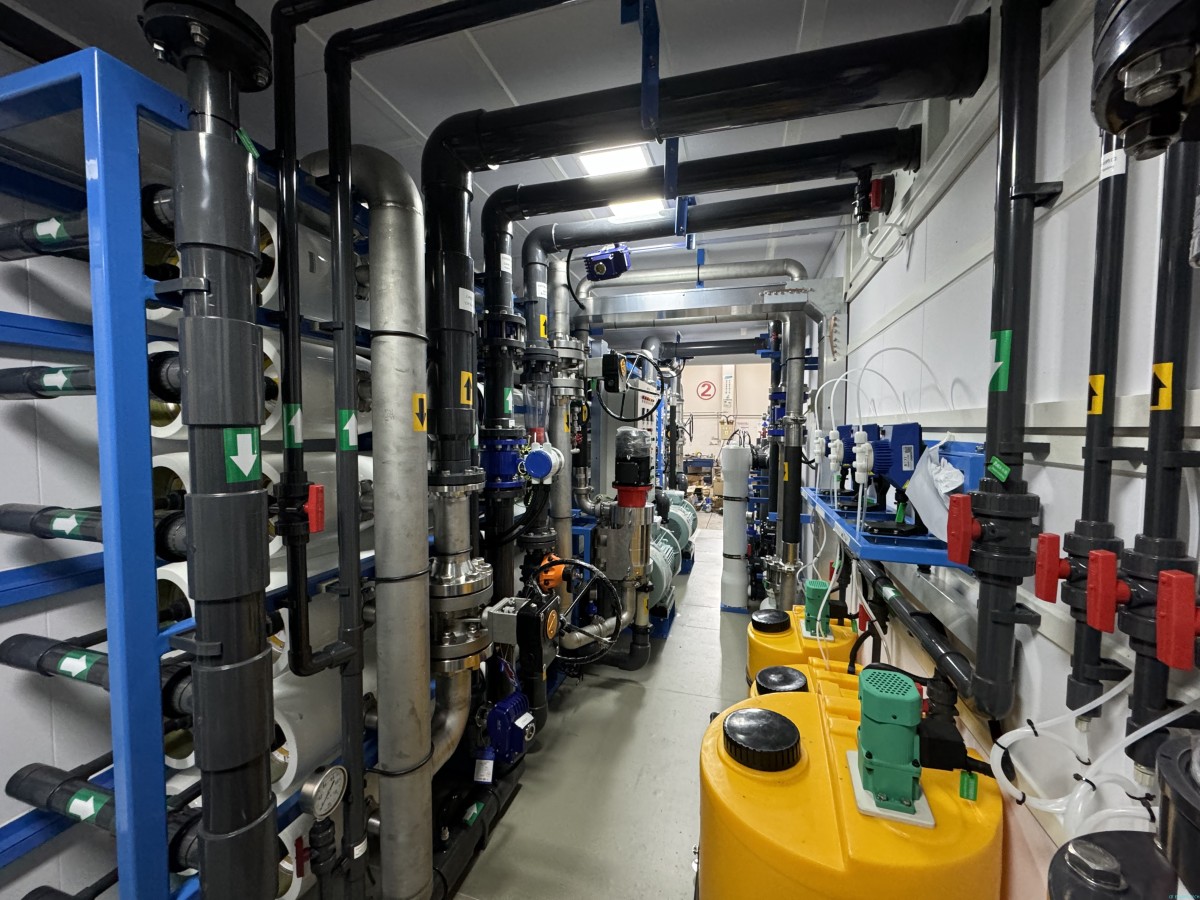
| 04 | Container Layout and ProtectionEquipment should be arranged to provide sufficient space for operation, inspection, and maintenance. Corrosion protection, ventilation, drainage, and electrical safety are particularly important in coastal and marine environments. |
SECTION 5
5. Applications of Containerised SWRO Plants
Containerised seawater desalination systems can support different freshwater supply requirements.
| Islands and Remote Communities | Provide freshwater where natural freshwater resources are limited. |
| Hotels and Resorts | Support daily water demand for accommodation, kitchens, laundry, and other facilities. |
| Industrial Facilities | Supply process water for coastal manufacturing plants and industrial developments. |
| Offshore and Marine Projects | Provide freshwater for offshore facilities and marine infrastructure. |
| Emergency Water Supply | Support temporary or semi-permanent water supply projects in areas facing water shortages. |
Their modular configuration makes containerised SWRO plants particularly suitable for locations where transportation, installation space, and flexible system integration are important.
SECTION 6
6. Containerised SWRO Projects by QT ENVIRO-TECH
QT ENVIRO-TECH has delivered containerised seawater desalination solutions for large-scale industrial and coastal water supply projects.
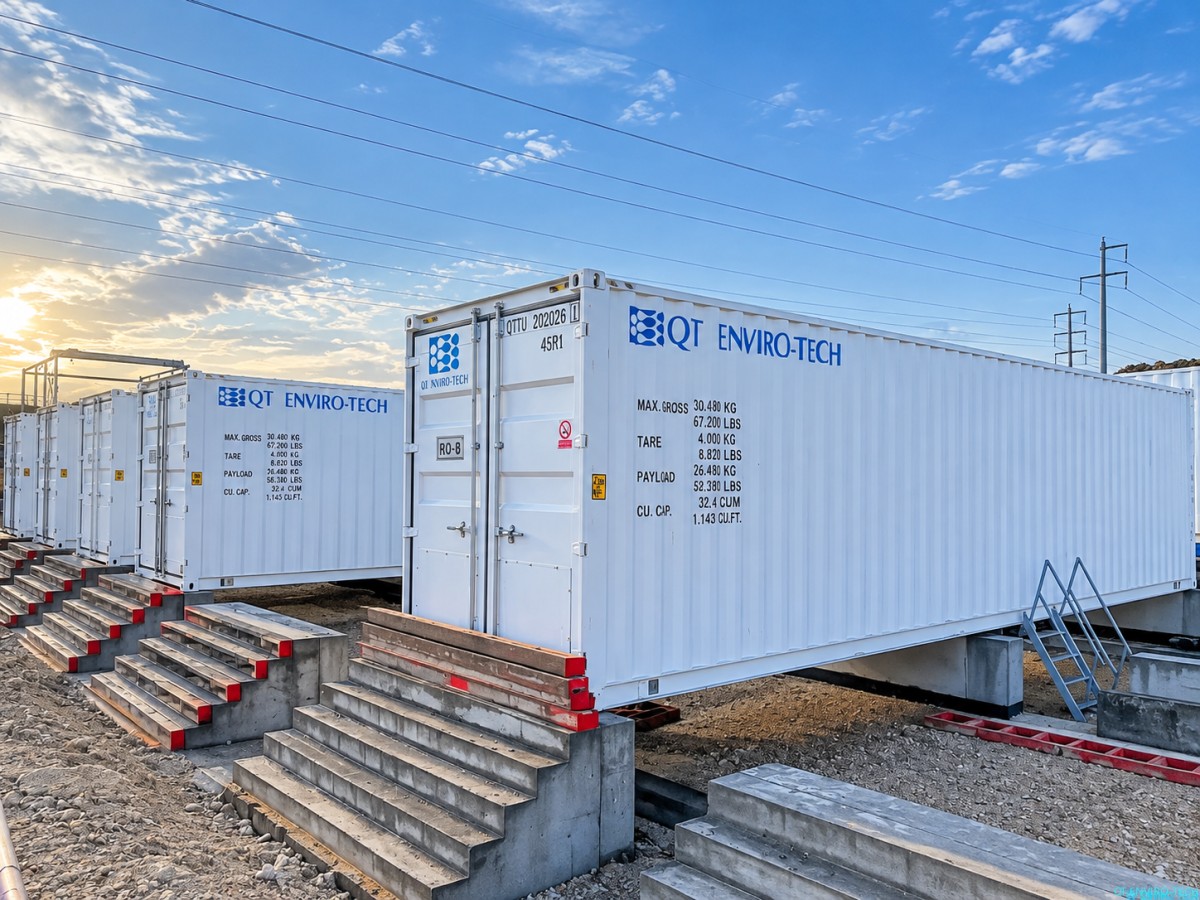
Morocco OCP20 MLD Containerised SWRO Plant CapacityApproximately 20,160 m³/dayTechnologyUF + SWROConfigurationContainerised modular system QT ENVIRO-TECH delivered a large-scale containerised seawater desalination solution for OCP in Morocco. Major treatment equipment was integrated into standard ISO shipping containers, helping reduce on-site equipment installation requirements. The project demonstrates the advantages of modular engineering and integrated equipment manufacturing in large-scale seawater desalination. |
Sabah, Malaysia2,000 m³/day Containerised SWRO Plant Capacity2,000 m³/dayConfiguration4 × 40-ft containersEnergy consumptionApproximately 2.6 kWh/m³ This project features a modular containerised seawater RO configuration designed for flexible installation and freshwater supply. The multi-container arrangement allows equipment to be integrated into separate modules, supporting transportation, installation, and system maintenance. |
These projects demonstrate QT ENVIRO-TECH's experience in developing containerised SWRO solutions for different capacities and operating environments.
SECTION 7
7. Why Choose QT ENVIRO-TECH?
QT ENVIRO-TECH (SUZHOU) LTD is a professional water resource solutions provider specialising in seawater desalination, brackish water treatment, and industrial wastewater treatment.
30+ years Water treatment experience
within QT Group | 200+ projects Delivered
worldwide | 20+ countries Customised solutions
for every environment |
Established in 2011, QT ENVIRO-TECH benefits from more than 30 years of water treatment experience within QT Group and over a decade of its own engineering practice. With more than 200 projects delivered across over 20 countries, we provide customised water treatment solutions for different industries and operating environments.
Our capabilities in containerised seawater desalination include:
| Customised SWRO system design | Containerised equipment integration | Pretreatment and post-treatment configuration |
| Equipment manufacturing and quality control | Installation and commissioning | Technical support and operation services |
Sourcing freshwater from the sea, reclaiming value from wastewater.
SECTION 8
8. Frequently Asked Questions
| Q1 | What is the main advantage of a Containerised SWRO Plant?It integrates key desalination equipment into containers or modular units, helping simplify transportation, equipment installation, and project implementation. |
| Q2 | Can a Containerised SWRO Plant produce drinking water?Yes. Additional post-treatment, such as remineralisation, pH adjustment, and disinfection, may be required to meet applicable drinking water standards. |
| Q3 | Can the system operate automatically?Yes. PLC-based control systems can provide automatic operation, process monitoring, alarms, and optional remote monitoring. |
| Q4 | What information is needed for a quotation?The main information includes required capacity (m³/day), raw seawater analysis, target water quality, project location, available power supply, and installation conditions. |
SECTION 9
9. Request a Customised Containerised SWRO Solution
Looking for a reliable Containerised SWRO Plant for your project?
QT ENVIRO-TECH provides customised seawater desalination solutions based on your raw water quality, production capacity, and site requirements. Contact our engineering team to discuss your project and request a technical proposal.