RO System Selection Guide
Choosing the right reverse osmosis (RO) desalination system is essential for achieving reliable water production, controlling operating costs and meeting project requirements.
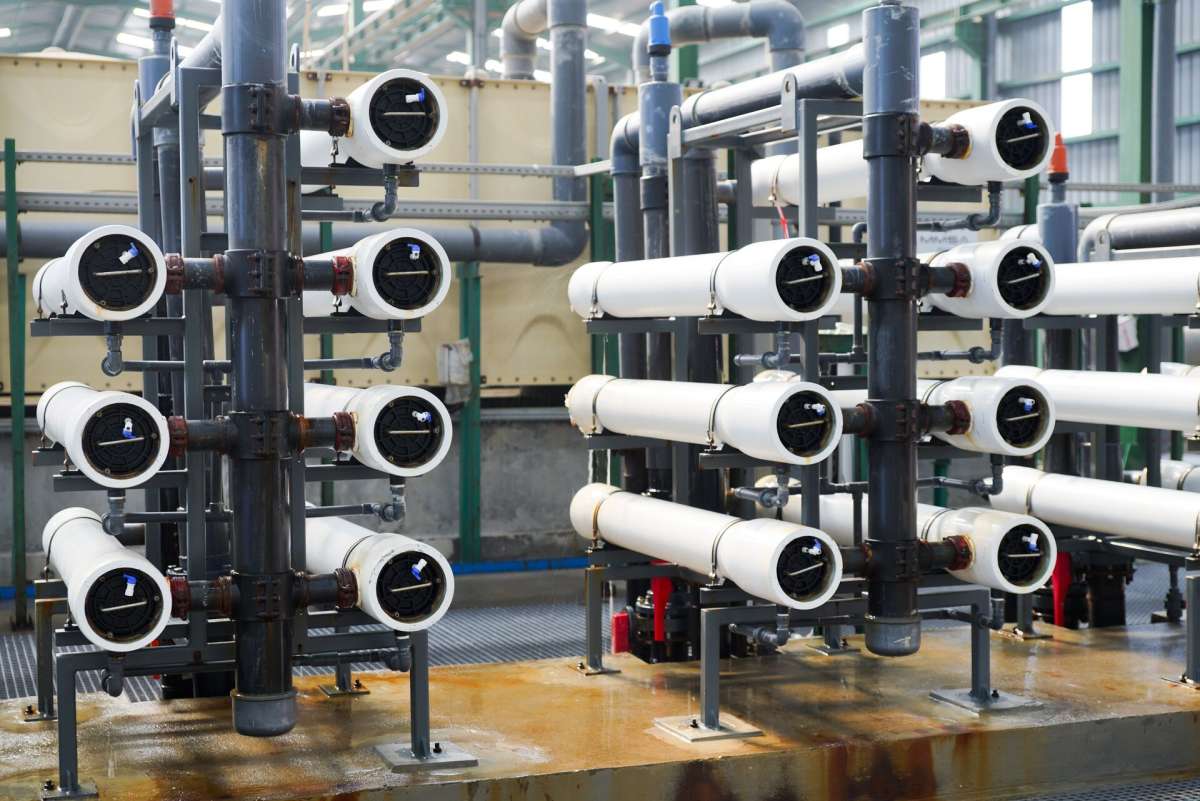
For project developers, EPC contractors and industrial water users, several factors should be considered before selecting an RO plant.
SECTION 1
1. Identify Your Feedwater Source
The first step is to understand the source and quality of the incoming water. Different water sources require different RO system designs.
SECTION 2
2. Determine the Required Water Production Capacity
The required production capacity directly affects system design, equipment selection and project investment.
For example, a resort, an industrial facility and a municipal water supply project may have very different consumption patterns, even when their average daily demand is similar.
Accurate demand assessment helps engineers determine the appropriate system configuration and avoid unnecessary investment or insufficient water production.
SECTION 3
3. Define the Required Product Water Quality
Water quality requirements depend on the final application.
Drinking water, industrial process water, boiler feedwater and agricultural irrigation may require different treatment standards.
In some projects, additional post-treatment processes such as remineralisation, pH adjustment and disinfection may be necessary.
Defining the target water quality at the beginning helps ensure that the RO system is designed for its intended purpose.
SECTION 4
4. Evaluate Pretreatment and Post-Treatment Requirements
Pretreatment is an important part of an RO desalination system because it protects membranes and supports stable operation.
After reverse osmosis, post-treatment may be required to adjust the water quality for drinking or industrial use.
The complete process should be designed according to actual water analysis rather than relying on a standard configuration for every project.
SECTION 5
5. Choose the Right Plant Configuration
RO systems can be supplied in different physical configurations depending on project conditions.
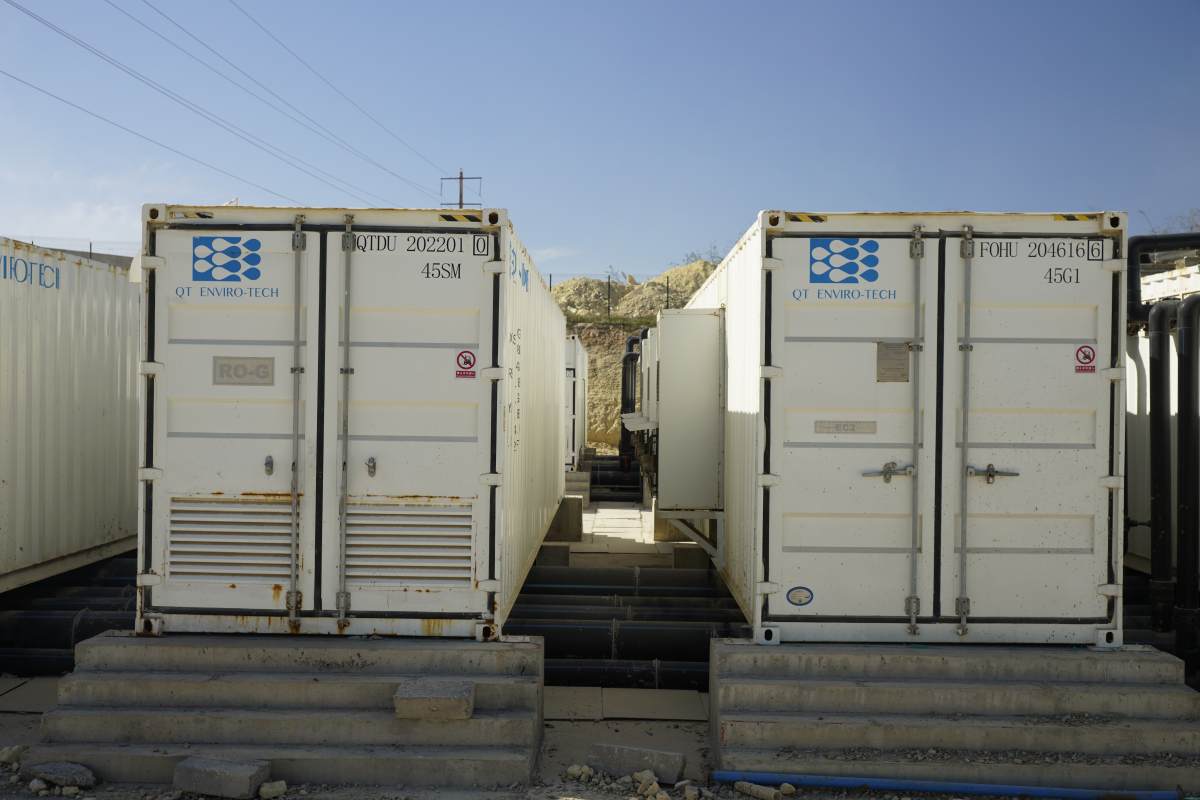
Containerised systems integrate key equipment into shipping containers, helping simplify transportation and on-site installation.
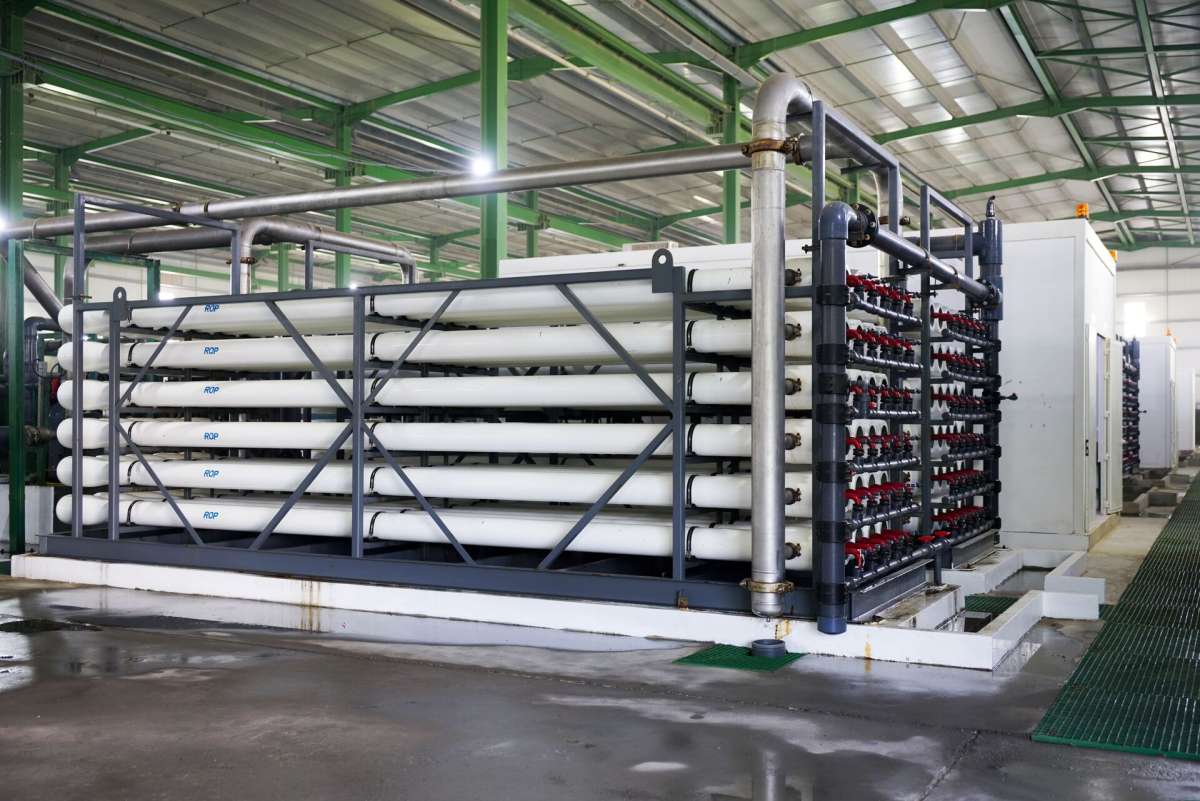
Skid-mounted systems arrange equipment on structural frames and can be integrated into existing facilities or larger treatment plants.
Conventional facilities offer greater freedom in building layout and permanent infrastructure design.
SECTION 6
6. Consider Energy Consumption and Operating Costs
The initial equipment price is only one part of the total project investment.
For seawater desalination projects, energy recovery devices may be considered where technically appropriate.
Comparing lifecycle costs rather than equipment prices alone can help customers make more informed investment decisions.
SECTION 7
7. Evaluate the Supplier's Engineering and Project Experience
Selecting an experienced RO system supplier is important for reducing technical and project delivery risks.
A supplier with experience across different feedwater conditions and project environments can better understand the practical challenges of international water treatment projects.
SECTION 8
8. QT ENVIRO-TECH: Customised RO Desalination Solutions
QT ENVIRO-TECH (SUZHOU) LTD. specialises in seawater desalination, brackish water treatment and industrial wastewater recovery.
Established in 2011, the company provides integrated engineering services covering system design, equipment manufacturing, installation, commissioning, equipment rental and operation and maintenance.
With more than 200 projects across over 20 countries, QT ENVIRO-TECH offers different RO configurations according to customer requirements.
Our fastRO® solutions also support large-scale seawater desalination projects through customised modular configurations.
Whether your project requires a compact desalination unit or a large-scale water treatment facility, our engineering team can help evaluate the feedwater, production capacity and site conditions to develop a suitable solution.
FAQ
Frequently Asked Questions
CONTACT
Contact QT ENVIRO-TECH
Looking for a reliable RO desalination system manufacturer?
Contact QT ENVIRO-TECH to discuss your water treatment requirements and receive a customised engineering solution.
Recommendation
- How to Choose an RO Desalination System for Your Project?
- RO Desalination System Maintenance: A Practical Guide for Reliable Operation
- Containerised vs. Conventional RO Plants: Which Is Better for Your Project?
- Containerised Seawater RO Plant: Design and Applications
- What Is a Containerised RO Plant? A Complete Guide to Design, Applications and Benefits
- How do wastewater treatment systems work in battery plants?
- Inside QT ENVIRO-TECH: Building a Global Presence in Water Treatment
- Brackish Water RO for Drinking Water: Key Standards and Testing
- Morocco Nador Seawater Desalination Project: Expanding Freshwater Resources Through RO Technology
- Can a skid-mounted RO system supply water at a remote solar farm?